
Disclosure: As an Amazon Associate I earn from qualifying purchases. How this site works
Kneeler Seat vs Kneeling Pad
Both protect your knees; the difference is how much help you get getting down and back up.
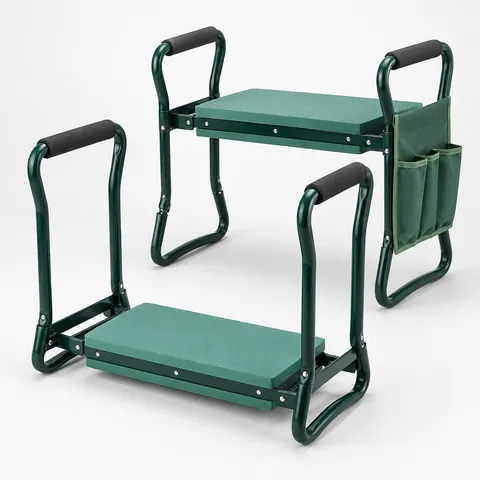 Garden kneeler seats
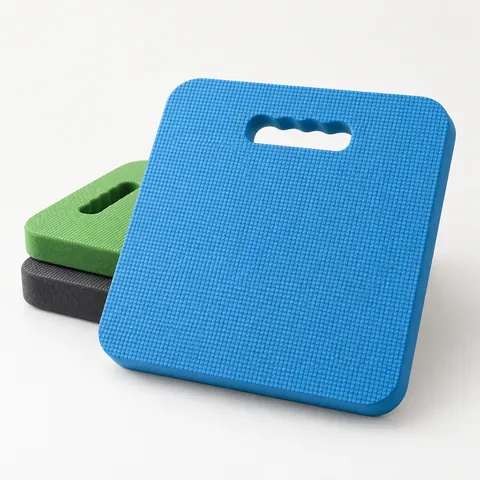 Foam kneeling pads
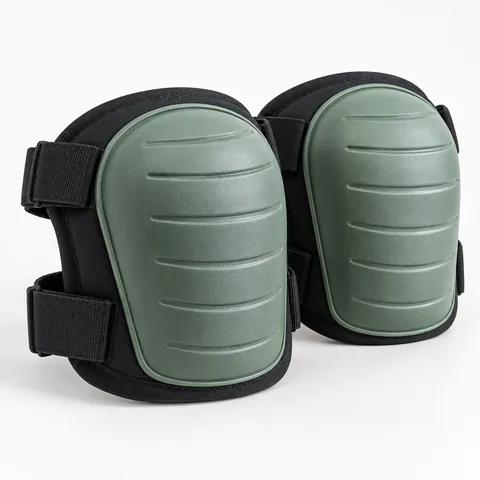 Gardening knee pads
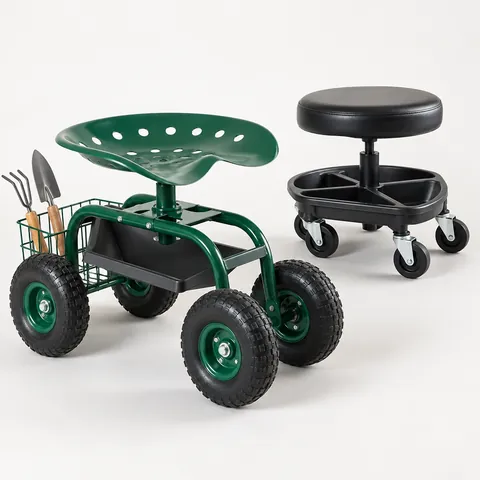 Rolling garden seats
Comparison
| Kneeler seat (frame) | Kneeling pad | |
|---|---|---|
| Help getting up | Yes — handles | No |
| Use as a seat | Yes (flipped) | No |
| Weight | Heavier (steel frame) | Very light |
| Storage | Folds flat | Hangs or stacks anywhere |
| Price | Higher | Lower |
| Best for | Stiff knees, hips or backs; long sessions | Quick jobs, mobility is not an issue |
Which to choose
- Choose a kneeler seat if getting up from the ground is the hard part.
- Choose a pad if you move around a lot and want something light.
- Many gardeners own both: a pad for quick jobs and a seat for long sessions.
Compare kneeler seats and kneeling pads, checking frame height and pad thickness.
Things people often overlook
Seat height when flipped is usually low — about knee height or less — which is fine for planting but not a substitute for a garden chair. The kneeling pad on a frame is often narrower than a standalone pad. Tool pouches add weight and can snag on plants; removable pouches give flexibility.
How do you know if a garden kneeler seat will be stable enough?
A kneeler seat is only helpful if the frame feels steady when you push on the side handles. Before buying, look at the frame shape, the width of the legs, and the surface where you plan to use it. A wider base generally feels more planted than a narrow one, especially on mulch, gravel, or uneven soil.
- Check the stated weight capacity, but do not use that number alone. Also look for a frame that appears braced at the corners and has legs that contact the ground evenly.
- Look for large, flat feet or end caps. Small metal tube ends can sink into soft soil and may feel less secure when you shift your weight.
- If you have limited grip strength, make sure the handles are tall enough and shaped so you can push down with your palms, not just pull with your fingers.
- Avoid using any kneeler seat on a slope, slick deck, wet pavers, or loose gravel where the feet can slide.
- If the unit folds, confirm that the locking points are fully open before kneeling or sitting. A partly opened frame can pinch or collapse.
For a shopper comparing options, a good starting point is to choose a kneeler seat with side handles when balance and push-off support matter more than portability. If you mostly garden from a standing position and only kneel for a minute at a time, that extra frame may not be worth carrying around.
What thickness kneeling pad is best for gardening?
For a standalone kneeling pad, thickness and foam density matter more than the label. A very thin pad is easy to carry but may bottom out on concrete, compacted soil, or raised-bed edges. A thicker pad spreads pressure better, but if the foam is too soft, your knees can sink through until you feel the ground.
As a rule of thumb, choose a pad that stays firm when you press into it with your thumb. If you can easily squeeze it flat, it may feel comfortable at first but provide less support during weeding or planting. Closed-cell foam is common for garden pads because it does not absorb water as readily as open sponge-like foam.
| Garden surface | What to look for |
|---|---|
| Soft soil or mulch | Moderate thickness with a washable surface; the ground already gives some cushion |
| Pavers, concrete, or hard clay | Thicker, firmer foam that resists bottoming out |
| Wet grass or damp beds | Closed-cell foam or a water-resistant cover |
| Narrow rows | A smaller pad that fits between plants without crushing leaves |
| Long weeding sessions | A larger pad so both knees and shins can shift position |
If you want the simplest low-cost option for quick chores, a foam kneeling pad is usually easier to grab, rinse, and hang than a framed kneeler.
Which is better for raised beds, containers, and ground-level beds?
The right choice changes with bed height. Ground-level beds put the most pressure on your knees and usually make standing up the hardest. Raised beds reduce bending, but you may still want cushioning if you kneel beside them to seed, thin plants, or pull weeds.
Ground-level beds
A kneeler seat is useful when you will stay in one spot for pruning, harvesting low crops, or working along a border. The handles give you a controlled way to stand up. A pad works better if you are constantly moving down a long row and do not want to fold and reposition a frame every few feet.
Raised beds
For a raised bed that is low to medium height, either option can work. If you kneel beside the bed, a pad may be more flexible because you can angle it along the edge. If you sit while working into the bed, a kneeler seat may help, but remember that the seat is typically low and not meant to replace a full-height chair.
Containers and patio planters
For pots on a patio, a pad is often enough when the job is watering, deadheading, or repotting small containers. For heavy containers or extended work, consider whether you would be better served by a low seat or rolling garden seat instead of kneeling repeatedly.
How to choose if you have knee, hip, or back discomfort
Garden gear should reduce strain, not encourage you to stay in a painful position. If kneeling hurts even with padding, a thicker pad may not solve the problem. You may need to sit, use long-handled tools, raise the work surface, or break the job into shorter sessions.
- Start with the motion that bothers you most: kneeling, bending forward, twisting, or standing back up.
- If standing up is the problem, favor a kneeler seat with handles and practice getting up on a flat surface before using it in the yard.
- If pressure on the kneecap is the problem, favor a wider, firmer pad and change positions often instead of kneeling in one place too long.
- If crawling between plants is the problem, consider wearable knee protection so the cushion moves with you.
- If sitting is more comfortable than kneeling, compare a kneeler seat with a dedicated rolling garden seat, especially for long rows or flat paths.
Some gardeners use gardening knee pads for jobs that require moving from plant to plant, then switch to a pad or kneeler near a bed where they will work longer. Wearable pads can feel warm and may shift on your legs, but they save you from constantly picking up and moving a loose pad.
Cleaning, storage, and durability checks before you buy
Mud, water, fertilizer, and sun are hard on garden accessories. A kneeler that is easy to clean is more likely to get used. Smooth foam wipes down faster than deeply textured foam, while fabric-covered padding may feel nicer but can hold dirt and moisture.
- Look for pads without deep seams where soil can collect.
- Rinse mud off after use and let the pad or kneeler dry before storing it in a shed or garage.
- Keep foam out of long-term direct sun when not in use; UV exposure can make some foams crack or crumble.
- Check metal frames for chipped coating or rust, especially around hinges and feet.
- If the kneeler has removable pouches, take them off before storing if they stay damp or collect soil.
For small-space storage, measure the folded length and width of a kneeler seat, not just the open size. A pad can hang on a wall hook or slide onto a shelf, but a framed kneeler needs enough clearance so it does not fall when tools are moved around it.
Frequently asked questions
Is a garden kneeler seat safe for seniors?
It can be helpful for some seniors because the side handles provide leverage when standing. It still needs a flat, stable surface and should not be used as a medical support device. Anyone with balance problems should try it with another person nearby first.
Can you use a kneeling pad on wet ground?
Yes, if the pad is water-resistant and easy to wipe clean. Closed-cell foam is usually a better choice than sponge-like foam because it is less likely to soak up water. Dry it before storage to reduce odor and mildew.
Do garden kneeler seats work on gravel?
They can feel less stable on loose gravel because the feet may shift or sink unevenly. If you must use one there, choose the flattest area available and test the frame before putting your full weight on it. A simple pad may be safer on unstable surfaces.
What is the difference between a kneeling pad and knee pads?
A kneeling pad sits on the ground and gives you one cushioned place to work. Knee pads strap to your legs and move with you, which is better for crawling, edging, or moving down a row. Knee pads can shift or feel hot, while a loose pad is easier to remove.
Should I buy a kneeler seat or a rolling garden seat?
Choose a kneeler seat if you need help getting down and back up from a kneeling position. Choose a rolling garden seat if you want to stay seated while moving along a row or working on a flat path. Rolling seats need reasonably smooth ground and more storage space.
Disclosure: As an Amazon Associate I earn from qualifying purchases. This site may earn a commission when you buy through its links, at no extra cost to you. Product details come from public manufacturer information; always check the merchant page for current specifications and prices. We have not hands-on tested the products described here.